
Starting your first online peer support session can feel uncomfortable. You may not know what to say, how the session will go, or what to do before it starts. That is normal. A first session does not need perfect words. It helps more to come in with a simple focus and a calm setup.
A little preparation can make the session feel easier. It can help you settle in, speak more openly, and leave with something useful. Small steps before the call can lower stress and help you feel more ready before you join the session.
In this blog, we will cover how to prepare, what to expect, and what to do after your first session today.
What Online Peer Support Can Help You With?
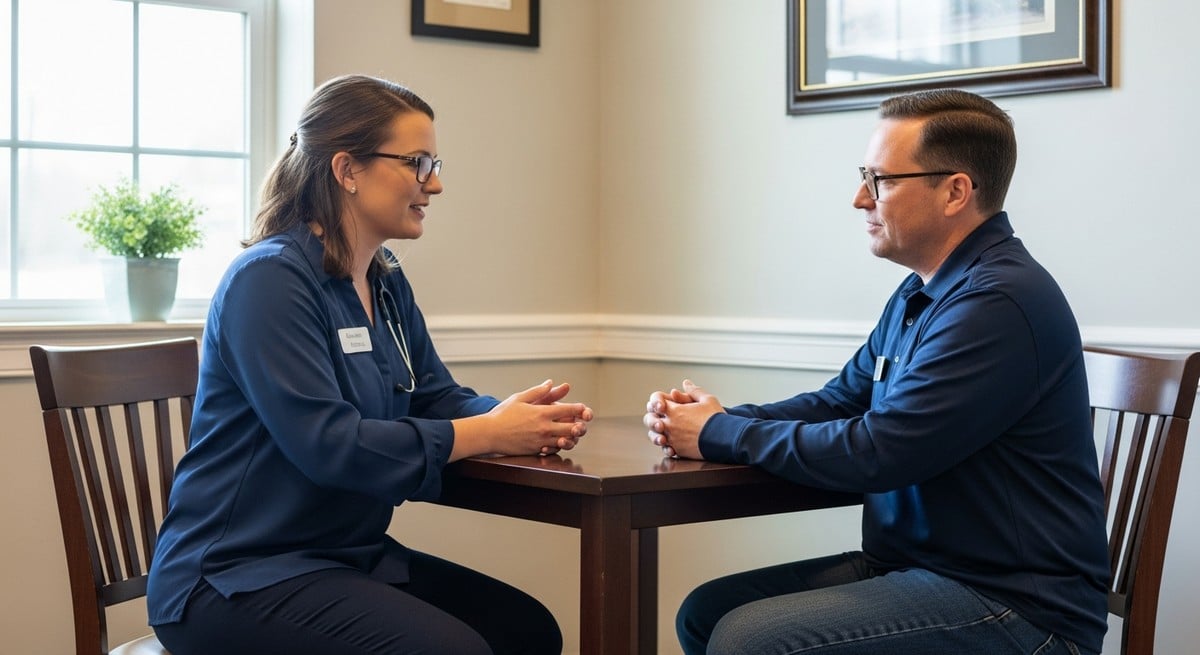
Online peer support gives you a place to talk. You speak with someone who understands hard moments firsthand. It can help you feel less alone and steadier when life feels heavy. The focus is on support, connection, and small, realistic next steps. It is not about having perfect answers before you start or knowing exactly what to say.
- At times, it can help with stress that keeps building.
- For some people, it gives support during loneliness or isolation.
- In hard seasons, it can help you talk through burnout.
- During change, it can help with grief, loss, or life shifts.
- When days feel messy, it can help you build small coping steps.
- Ongoing support can help you stay connected and heard.
7 Steps to Get Ready for an Online Peer Support Session
A first peer support session does not need a perfect plan. You do not have to know exactly what to say before the call starts. Small steps before the session can help you feel more settled, less rushed, and more ready to talk. They can also help you use the time in a way that feels easier and more useful. Even a few preparations can make the session feel more comfortable from the start.
Know Your Purpose
Before the session, think about why you booked it. You may want support with stress, loneliness, burnout, recovery, or a hard life change. Start with the reason that feels strongest today.
You do not need to explain your whole story in one sitting. Pick the part that feels most pressing right now. Such focus can help the conversation get off to a more defined start. It can also make it easier to stay on track as the session moves forward. It can also help you feel less scattered.
Choose the Best Match
A first session feels easier when the peer feels like a good fit. Read your therapist’s profile before you book. Look at the person’s background, support style, and the life areas they understand. You do not need a perfect match. You need someone whose experience feels close enough to yours. That can make it easier to start talking with less hesitation.
- Read the peer profile from start to finish.
- Look for life experiences that feel close to your situation.
- Notice how the peer describes their support style.
- Pick the person who feels easiest to talk to.
Get Your Space Ready
Your space can shape how the session feels. Pick a place where you can sit without being interrupted. You can take the session in a bedroom, home office, parked car, or another quiet spot. Choose a place where you feel private enough to talk without holding back.
Keep the area clean and comfortable. Put your phone or computer where you can see it. Grab water, headphones, or a notebook if that helps. Small details like these can help you settle in faster once the session begins and stay focused.
Check Your Connection
Tech problems can pull your attention away before the session even begins. A quick check of your device and internet can lower that stress. Test the camera, speaker, and microphone a few minutes early. Charge your phone or computer if needed. If you use headphones, plug them in before the call starts. Checking these things early can help the session start with less delay and less stress.
- Test your internet before the session starts.
- Check that your camera opens without trouble.
- Listen to the speaker and test the microphone.
- Charge your device or plug it in early.
- Keep headphones nearby if you plan to use them.
Choose One Small Goal
Going into your first session with one small goal can make the conversation feel more focused. It gives you and your peer a clear place to start. That goal does not need to be big. A stressful week may be the main thing you want to talk through. One ongoing problem may also need more attention. You may also want help finding a healthy way to deal with your feelings.
Try to keep your goal realistic for one session. You do not need to fix everything in one conversation. The first session can help you get closer to what is bothering you most. It can also help you talk about it in a way that feels more manageable. You may also leave with one strong takeaway. You may leave with one small step to try after the session. It could be a coping tool or a different way to think about what is going on.
Keep Questions Ready
Questions can help you feel more ready before the session begins. You do not need a long list. Two or three major questions are enough. Ask about what you can bring to the space, how support may help, or what you can work on after the call ends. A few questions can also help the conversation feel less uncertain at the start for you and easier to enter.
- What can I talk about here?
- How often should I book?
- What can I work on next?
- Can I keep seeing the same peer?
Come With an Open Mind
Come in ready to talk honestly, even if the words feel rough at first. You do not need polished answers or a full explanation of everything.
Try not to judge yourself while the session unfolds. Some people open up quickly. Others need more time. Both are fine. Let the conversation move at its own pace. Give yourself room to settle, reflect, and respond without added pressure or shame.

What to Expect During Your First Peer Session?
Your first peer session may feel more natural at the start than you expect. You join the call, take a moment to settle in, and begin with the reason you booked the session. You do not need to explain everything at once. The first conversation often centers on what feels most important right now. It also helps you identify what kinds of support may help and what you want to take away from the session. Knowing that ahead of time can make the experience feel less uncertain and easier to step into.
- Main Focus: The session will often begin with the main concern that brought you there. This could be stress, loneliness, burnout, grief, or a hard season that has been weighing on you. Starting with one clear concern helps the conversation feel more grounded. It also gives both of you a simple place to begin, instead of trying to cover every thought or feeling at once.
- Open Conversation: Once the session begins, the conversation may move naturally from one point to another. The conversation may begin with one issue. It may then move toward related feelings, recent events, or patterns that have been hard to manage. It is normal, and the goal is not to keep the conversation perfect. But to help you talk through what feels heavy and put some of it into words.
- Support That Fits: As the session moves forward, you may discuss what kind of support would feel most helpful to you right now. You may need someone to listen, help you sort through your thoughts, or talk through one practical step. That part of the session can help guide the conversation toward what matters most right now. It can also keep the talk from feeling too broad or unfocused.
- Next Step: By the end of the session, you may leave with one simple takeaway. You may leave with one action you want to try next. That could be a coping step, a goal for the week, or a new way to think about the situation. The first session does not need to solve everything. It helps more when you leave with one clear step that feels realistic and easy to carry forward.
What to Do After Your First Session?
After the session, try pausing for a few minutes before returning to your normal routine. Let yourself notice what you are feeling without rushing to move on. You may feel lighter, emotional, confused, or several things at once. Those reactions can all be part of the process.
It also helps to write down one or two things that stood out. That may be a question, a moment from the session, or something you want to talk about next time. Keeping a short note gives you something to look back on later. It can also help you stay closer to what the session brought up. Even a few words on your phone can be enough.
Conclusion
Your first online peer support session is a starting point. It is not a test, and it does not need to solve everything in one conversation. What matters most is showing up with a little preparation, a simple focus, and a willingness to talk through what feels most important right now.
That first conversation can help you feel heard. It can also help you sort through what has been on your mind and leave with one useful next step. Little progress still counts, especially when life already feels hard to carry on your own.
At The Peer Network, online peer support gives you a way to begin with a real connection. It also gives you practical support in a format that is easier to access from home.